Wearable technologies are becoming an ordinary part of everyday life.
Watches, rings, headphones, glasses and other smart devices we carry on our bodies no longer simply generate data; they can sense their surroundings, record, process and transfer information to other systems.
This is precisely where the issue of privacy begins.
As technology becomes smaller and more ordinary, it becomes increasingly difficult to notice when recording is taking place.
I am not referring here to spy devices specifically designed for covert recording, but to consumer technologies that anyone can easily purchase.
The City Council of Sydney, chaired by Lord Clover Moore AO whose work I have followed for many years, has taken a noteworthy step in response to this emerging risk.
The Sydney City Council unanimously adopted a decision extending restrictions and prohibitions on the use of smart glasses in council-owned swimming pools, sports and leisure facilities, libraries, childcare centres and community centres.
Sydney has introduced restrictions on the use of smart glasses in these public spaces and reconsidered its existing rules in light of new technologies.
At the heart of this decision lies a simple but important reality:
As recording technology becomes less visible, the risk to privacy increases.
Particularly when children and privacy-sensitive environments are involved, protecting individuals’ best interests and privacy becomes essential.
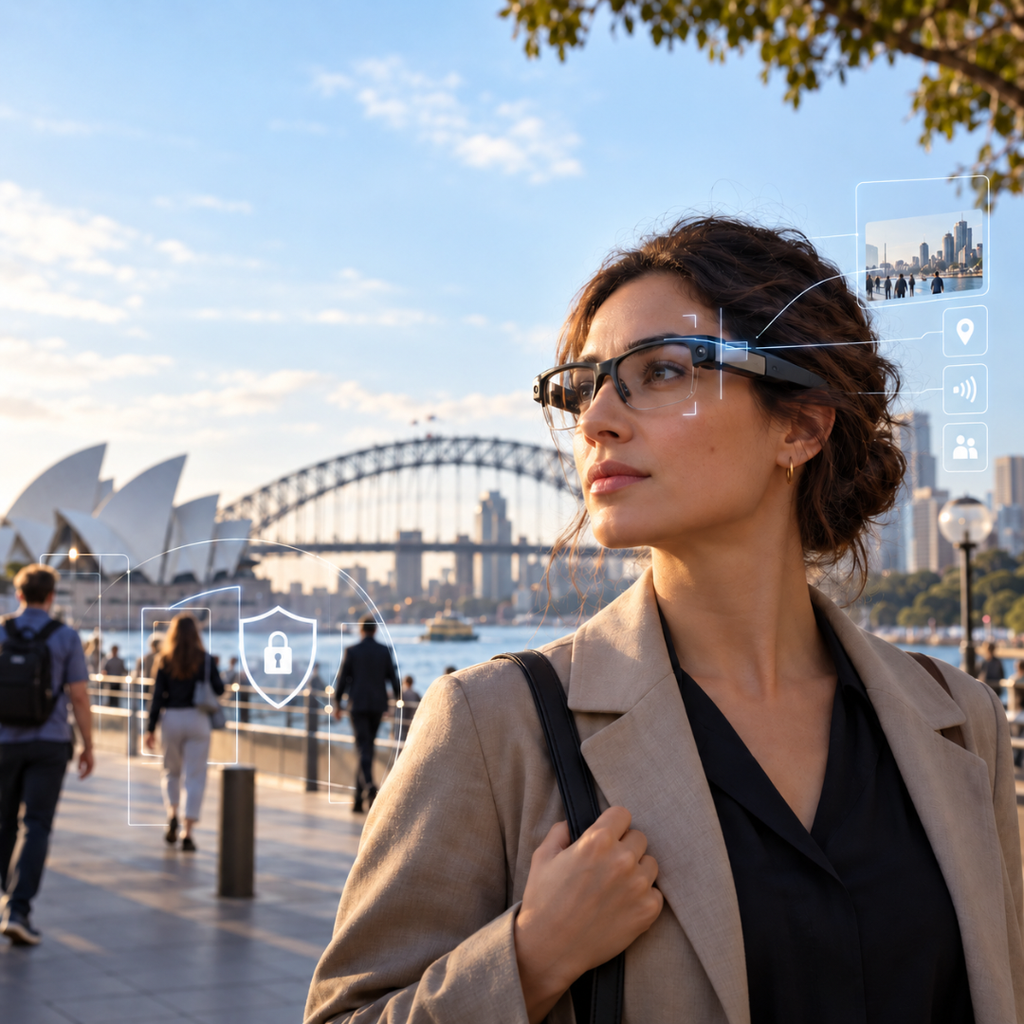
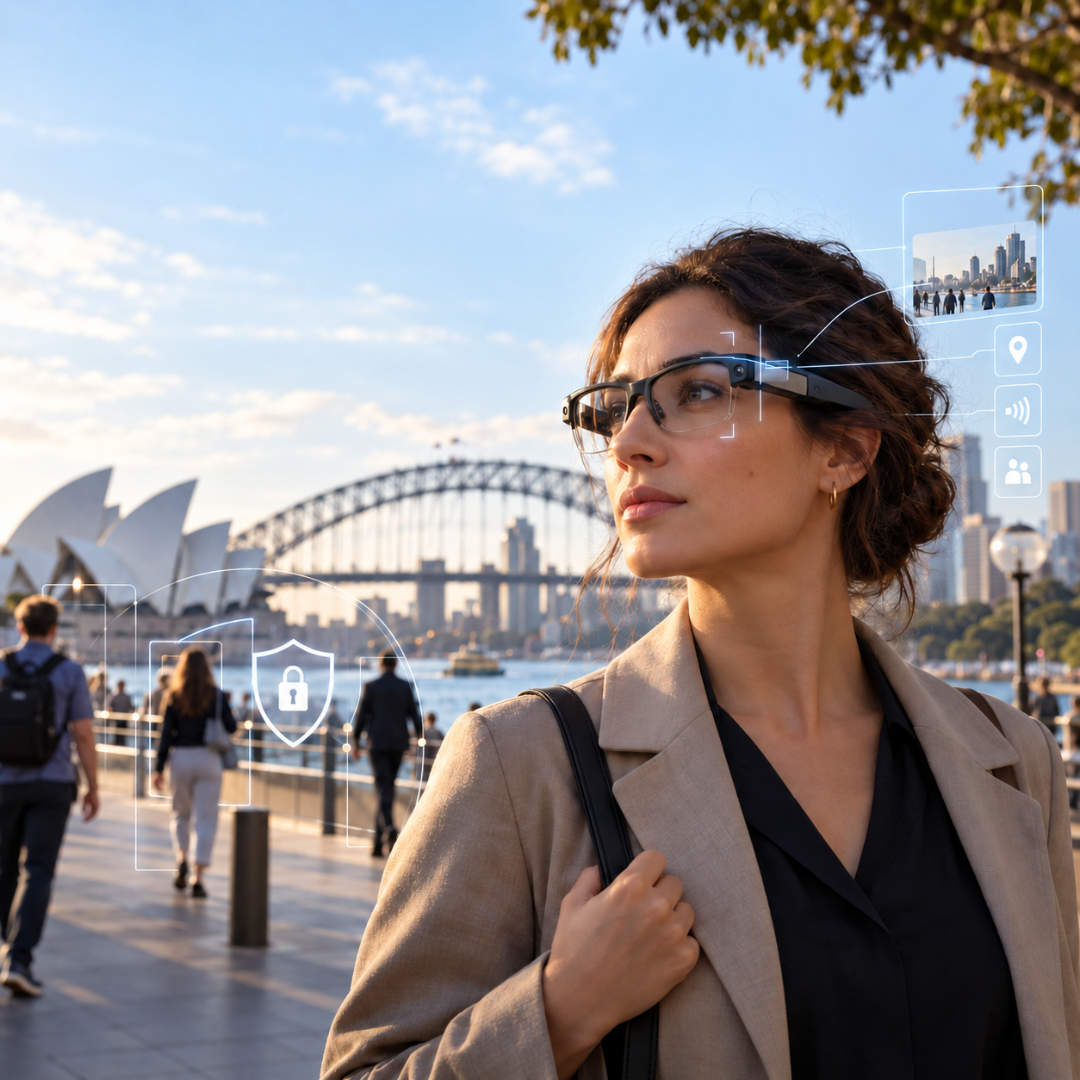
Smart glasses are one of the most striking examples.
The person in front of you is looking at you.
You assume they are simply looking.
Yet the smart glasses they are wearing may be capturing, recording, processing and transmitting everything within their field of view.
The issue is not the glasses themselves.
The issue is that a recording technology has entered public life in the ordinary form of a pair of glasses.
This is what makes the Sydney case important.
The smart city approach often focuses on what technology can provide to the city.
Urban Intelligence also asks how technology changes the rights, security, privacy and everyday lives of urban residents.
Because what makes a city intelligent is not simply its ability to use technology.
The real issue is whether it can recognise the new risks created by technology in time and develop a governance reflex that protects people.
This reflex is Anticipatory Urban Governance, the practical governance expression of Urban Intelligence.
Serdar Aslan | Urbanologist
Urban Intelligence Researcher
https://CityLab.com.tr